START YOGA
Starting Yoga as a hobby can be a great way to improve your physical and mental well-being. It strengthens your core and provides mental clarity.
TIPS TO START
- Start with beginner classes: Look for beginner-friendly classes or workshops that can introduce you to the basics of yoga, such as the different types of yoga, proper alignment, and basic poses.
- Listen to your body: Yoga should be challenging but not painful. Respect your body’s limits, don’t force yourself into poses and stop if you feel any pain.
- Dress comfortably: Wear comfortable clothing that allows for a full range of motion and barefoot.
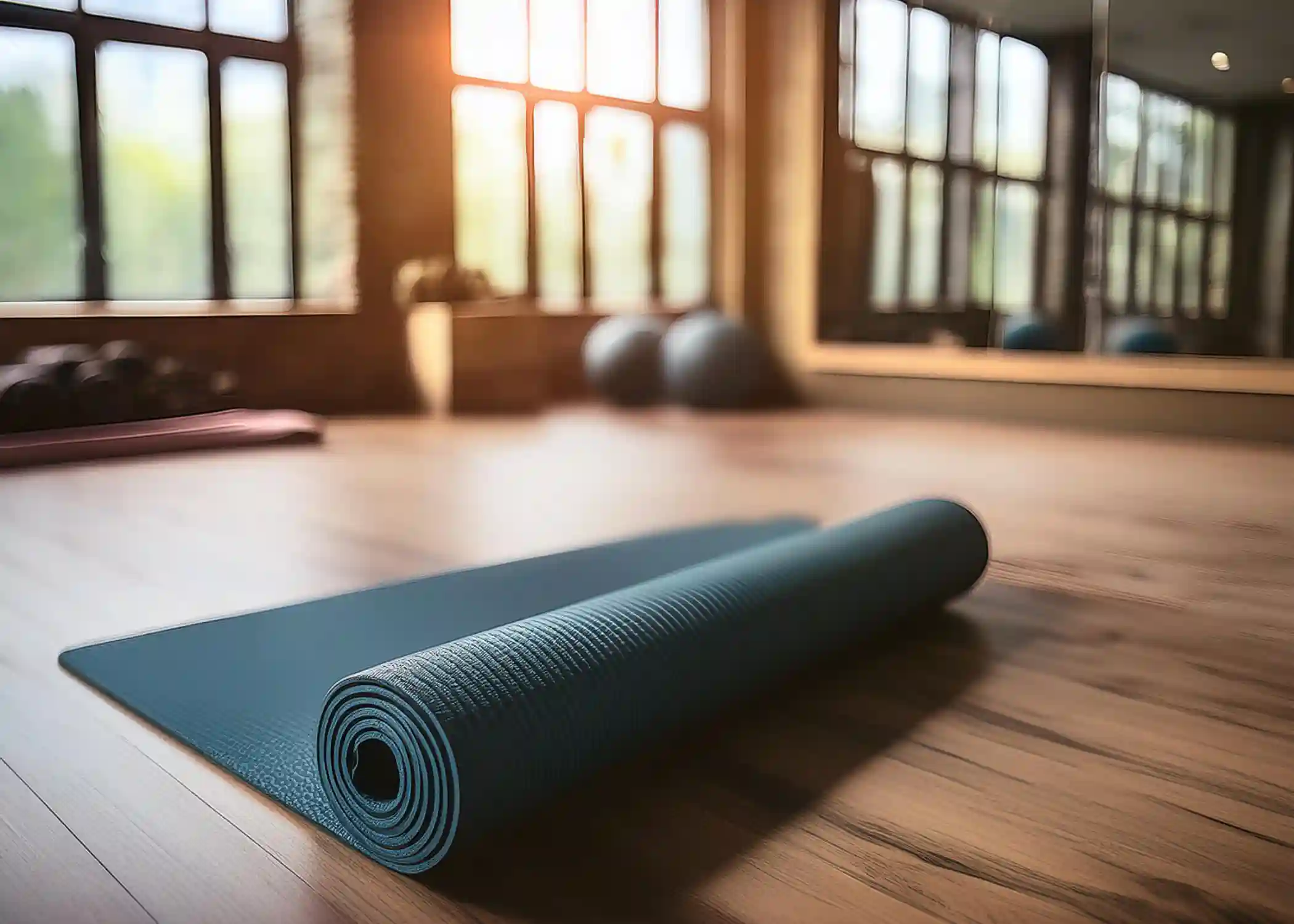
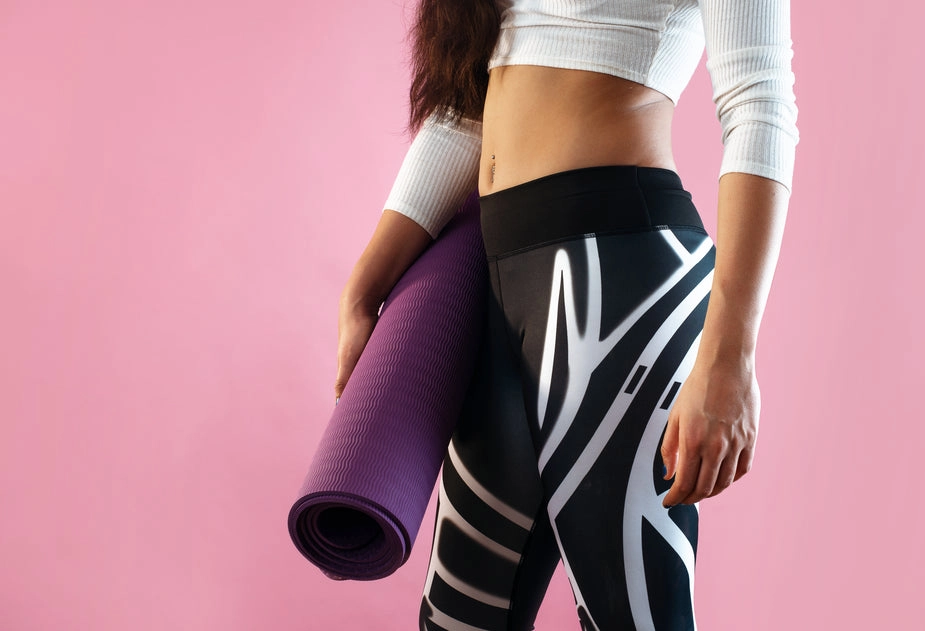
- Get your own mat: Invest in a good quality yoga mat, this will help you with the grip, support and also helps to create a barrier between your body and the floor.
- Be consistent: Make yoga a part of your regular routine and practice consistently. The more you practice, the more you’ll improve and see the benefits.
- Learn proper breathing techniques: The breath is a crucial aspect of yoga, learn how to breathe properly and deepen your practice.
- Stay present: Leave all your worries and distractions outside the mat and stay present in the moment.
- Be open-minded: Yoga is not just about the physical aspect, it’s also about connecting mind and body, be open-minded and try to embrace the spiritual side of yoga as well.
Remember that starting something new takes time, be kind to yourself, and enjoy the journey of discovering what works for you. Yoga is not a one-size-fits-all practice, it is a personal and ever-evolving one.
BASIC Equipment
- Yoga mat: A yoga mat provides a non-slip surface for you to practice on, as well as cushioning for your joints. Look for a mat that is durable, slip-resistant, and the right thickness for your needs.
- Yoga blocks: These lightweight foam blocks can be used to modify poses and provide support for your hands and feet.
- Yoga strap: A yoga strap is a versatile prop that can be used to help you deepen your stretches. It can also be used to help with balance during certain poses.
- Yoga blanket: Yoga blankets are typically made of a soft, breathable material and can be used as a prop for added support in seated or reclined poses.
- Yoga towel: Some people prefer to use a towel on top of their mat to absorb sweat and provide added grip.
- Comfortable clothing: You’ll want to wear comfortable, breathable clothing that allows you to move freely. Avoid clothes that are too tight or restrictive.
- Water bottle: Staying hydrated is important during any form of exercise, so make sure to bring a water bottle with you to your yoga practice.
- Meditation cushion: For those who practice yoga for meditational purposes, a comfortable cushion to sit on can make all the difference when trying to maintain a position for an extended period of time.
MAIN MUSCLES
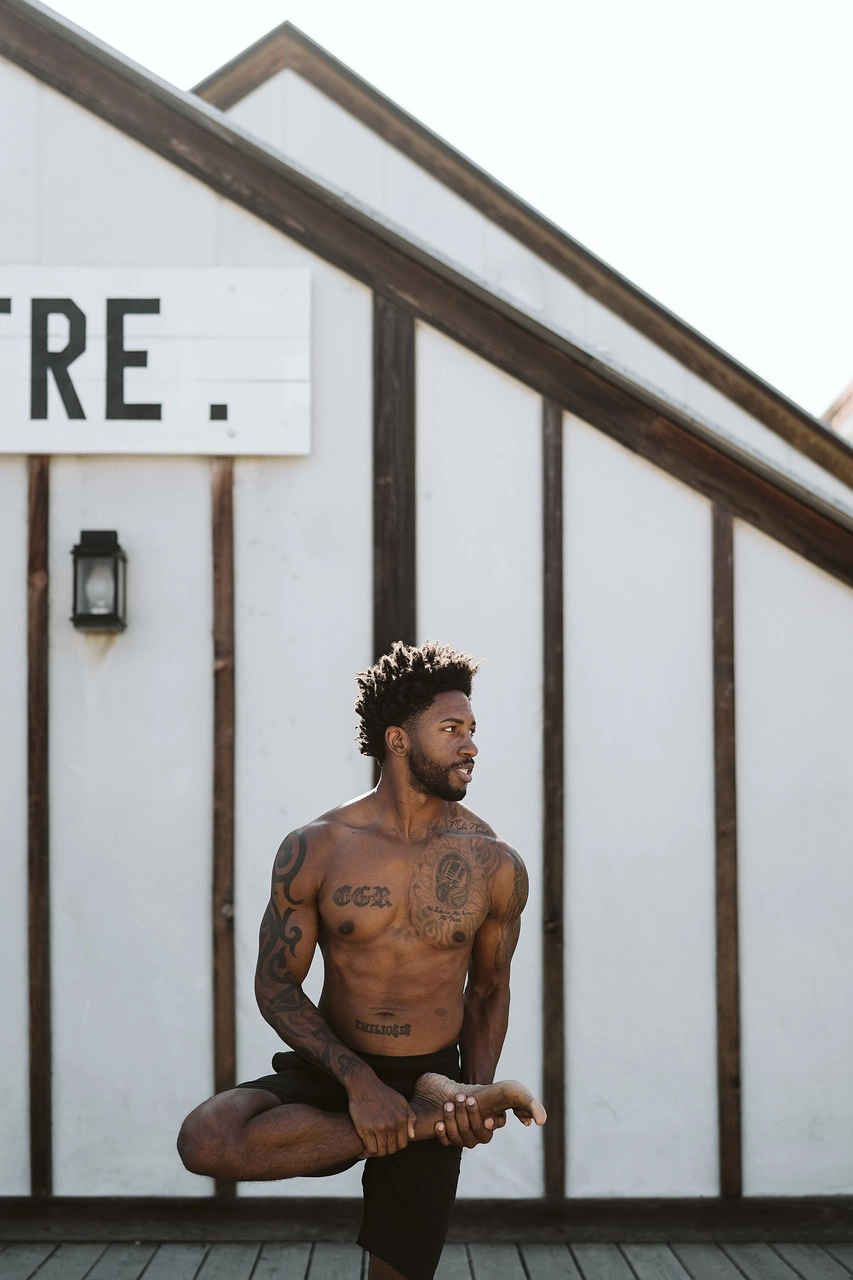
Yoga is a form of exercise that engages a wide variety of muscle groups, depending on the specific pose or flow being practiced.
Core muscles: Yoga poses such as plank, side plank, and boat pose work the muscles of the core, including the rectus abdominis (abs), obliques, and transverse abdominis.
Back muscles: Yoga poses such as downward-facing dog, cobra, and locust pose work the muscles of the back.
Shoulder and arm muscles: Yoga poses such as plank, downward-facing dog, and crow pose work the muscles of the shoulders and arms, including the deltoids, triceps, and biceps.
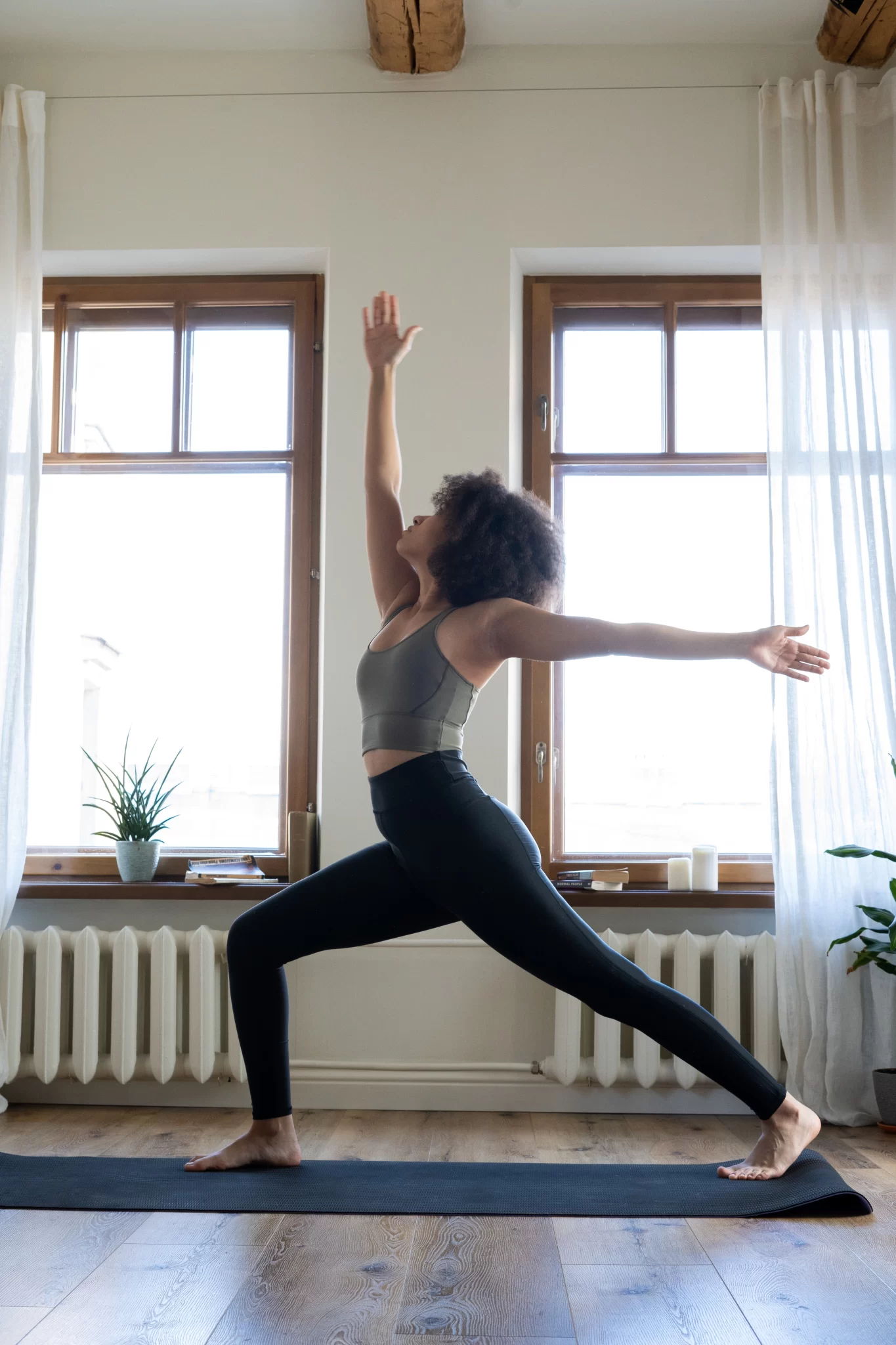
Leg muscles: Yoga poses such as warrior I, warrior II, and chair pose work the muscles of the legs, including the quadriceps, hamstrings, and calf muscles.
Glutes muscles: Yoga poses such as warrior I, warrior II, and chair pose also work the glutes muscle, sometimes known as the buttocks muscles.
COMMON INJURIES
Yoga is generally considered to be a safe form of exercise, but like any physical activity, there is a risk of injury. Some of the most common injuries in yoga include:
Sprains and strains: These types of injuries often occur in the wrist, knee, or ankle and are typically caused by overstretching or improper alignment.
Lower back pain: This is a common complaint among people who practice yoga, and it can be caused by a variety of factors, including tightness in the hips and hamstrings, weak core muscles, and poor posture.
Shoulder injuries: The shoulders are vulnerable to injury in yoga due to their complexity and the fact that they are involved in many poses. Common shoulder injuries include rotator cuff strains and impingements.
Neck pain: This can be caused by improper alignment in poses such as downward-facing dog and camel pose.
Knee injuries: These can occur due to overuse, improper alignment, or weak quadriceps.
Hyper extension injuries: Its occurs when the joints are pushed beyond their normal range of motion. These types of injuries can occur in the elbows, neck and back, especially during poses that involve twisting or bending backwards.
It’s important to remember that everyone’s body is different and may have different limitations. It’s always best to listen to your body and avoid pushing yourself too hard. If you are experiencing pain or discomfort, stop the movement and try modifying the pose or using props to find a more comfortable variation.
How to Breathe Properly in Yoga as a Complete Beginner
How Temperature Affects Your Flexibility
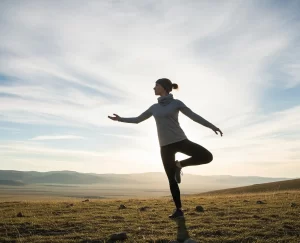
The Secret to Balance: Look at the Horizon, Not Your Feet
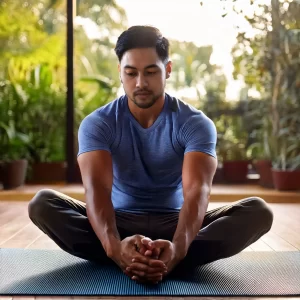
Yoga for Non-Flexible People: Why Tight Muscles Are an Advantage
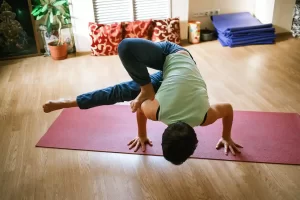
Adding Yoga to Your Fitness Routine

Yoga at Home: Setting Up Your Practice Space

Mastering the Tennis Stance: A Comprehensive Guide for Beginners
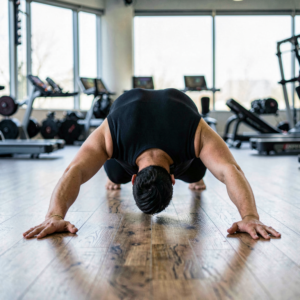
Why You Should Start With Bodyweight Exercises for General Fitness
How to Breathe Properly in Yoga as a Complete Beginner

Why Cyclists Should Wear Helmets

Learning Scuba Diving Basics Starts with Safety Training