
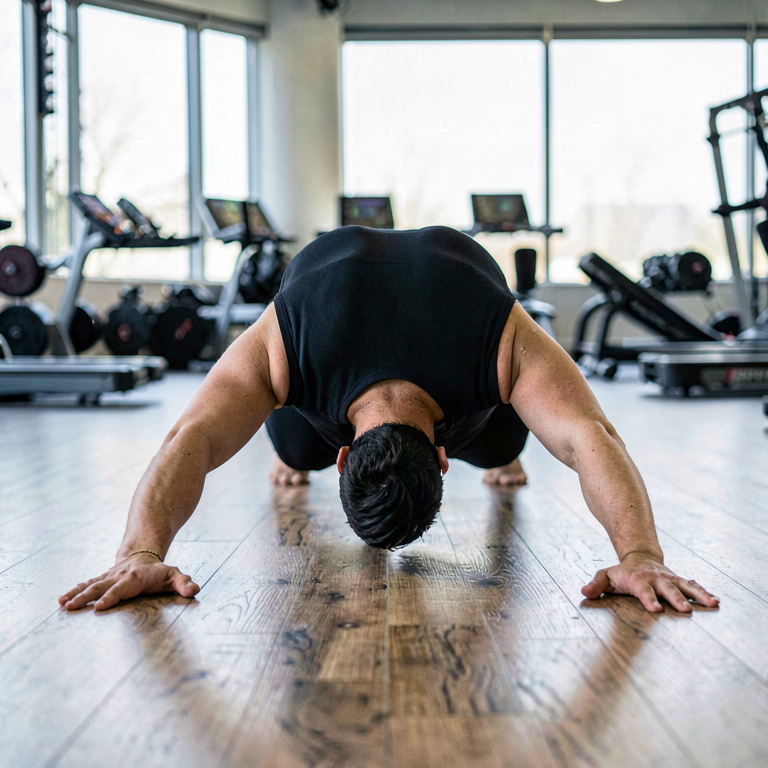
When it comes to improving general fitness, many people turn to weightlifting, cardio machines, or group fitness classes. While these methods can be effective, they may not be the best starting point for beginners or those looking to establish a foundation for more advanced workouts. Bodyweight exercises, on the other hand, offer a low-cost, low-impact, and highly effective way to build strength, increase flexibility, and enhance overall fitness.
What Are Bodyweight Exercises?
Bodyweight exercises are movements that use an individual’s own weight as resistance to build strength and endurance. Examples include push-ups, squats, lunges, planks, and leg raises. These exercises work multiple muscle groups at once, making them efficient and effective for building overall fitness.
Benefits of Bodyweight Exercises
1. Low Cost
One of the most significant advantages of bodyweight exercises is their low cost. Unlike weightlifting or cardio equipment, which can be expensive, bodyweight exercises require no special equipment other than a clear floor space. This makes them accessible to anyone, regardless of budget or access to a gym.
2. Low Impact
Bodyweight exercises are generally low-impact, meaning they can be modified or avoided if they cause discomfort or pain. This is particularly beneficial for individuals with joint issues, chronic pain, or other mobility limitations. By focusing on bodyweight exercises, you can build strength and endurance without exacerbating existing conditions.
3. Improved Flexibility and Mobility
Bodyweight exercises often require a range of motion that can help improve flexibility and mobility. For example, push-ups and squats involve movements that can help increase shoulder and hip flexibility, while planks can improve core strength and stability. As you progress through bodyweight exercises, you’ll naturally develop greater flexibility and mobility.
4. Increased Strength and Endurance
Bodyweight exercises can help build strength and endurance in multiple muscle groups simultaneously. This is because they often require engagement of multiple muscle groups to maintain proper form and execute the movement. For example, a push-up involves not only the chest muscles but also the shoulders, triceps, and core. By building strength through bodyweight exercises, you’ll be better equipped to handle more challenging activities and workouts.
5. Portability and Convenience
One of the most significant advantages of bodyweight exercises is their portability and convenience. Unlike weightlifting or cardio equipment, which often require a specific gym or facility, bodyweight exercises can be performed anywhere, anytime. This makes them ideal for travel, work, or home workouts.
6. Progressive Difficulty
Bodyweight exercises offer a range of progressive difficulty levels, allowing you to continually challenge yourself as you build strength and endurance. This is often achieved through modifications, such as increasing the number of repetitions, sets, or decreasing rest time between exercises.
Starting a Bodyweight Exercise Routine
1. Begin with Basics
When starting a bodyweight exercise routine, it’s essential to begin with the basics. This includes exercises like push-ups, squats, lunges, planks, and leg raises. Mastering these fundamental movements will provide a solid foundation for more advanced exercises and workouts.
2. Focus on Form and Technique
Proper form and technique are critical when performing bodyweight exercises. Focus on maintaining a straight line from head to heels during exercises like push-ups and squats. Engage your core, keep your shoulders down, and avoid arching your back. Practice bodyweight exercises in front of a mirror to ensure you’re executing them correctly.
3. Gradually Increase Intensity and Difficulty
As you become more comfortable with bodyweight exercises, gradually increase the intensity and difficulty by adding more repetitions, sets, or decreasing rest time between exercises. You can also modify exercises to make them more challenging, such as diamond push-ups or pistol squats.
4. Incorporate Variation and Progression
To avoid plateaus and prevent overuse injuries, incorporate variation and progression into your bodyweight exercise routine. Try new exercises, modify existing ones, or change the order of your workout to keep things interesting and challenging.
5. Make it a Habit
Consistency is key when it comes to bodyweight exercises. Aim to perform a routine at least three to four times per week, with at least one day of rest in between. Make bodyweight exercises a habit by incorporating them into your daily routine, whether it’s during your morning workout or as a mid-day stretch.
Bodyweight exercises offer a low-cost, low-impact, and highly effective way to build strength, increase flexibility, and enhance overall fitness. By focusing on bodyweight exercises as the foundation of your workout routine, you’ll establish a solid foundation for more advanced workouts and improve your overall fitness level. Remember to begin with basics, focus on form and technique, gradually increase intensity and difficulty, and make bodyweight exercises a habit. With dedication and consistency, you’ll be well on your way to achieving your fitness goals.