START
CALISTHENICS
Calisthenics, also known as bodyweight exercises, is a great way to get fit and stay in shape. It requires no equipment, making it accessible to anyone, anywhere.
TIPS TO START
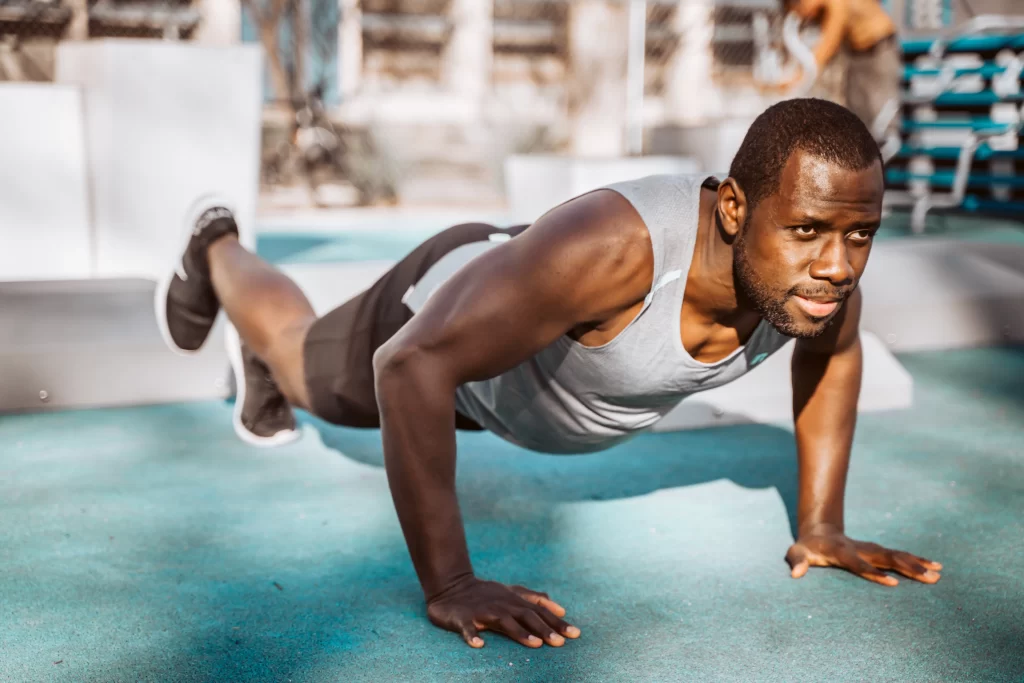
- Start with the basics: Before you start trying to do advanced exercises, it’s important to master the basics. This includes exercises such as planks, push-ups, squats, and pull-ups (the hardest). These exercises will help to build a strong foundation for more advanced movements.
- Set realistic goals: It’s essential to set realistic goals so not to get discouraged from the beginning. Start with a goal of a few minutes of exercise per day and gradually increase the amount of time and intensity as you become more comfortable with the movements.
- Warm-up: Before starting any exercise, it’s important to warm up in order to reduce the risk of injury. A simple warm-up routine could include a few minutes of jumping jacks, jogging in place, or stretching.
- Focus on form: Proper form is essential for injury prevention and to ensure that you are getting the most out of your workout. It’s important to focus on the proper technique for each exercise and make sure that you are not cheating by using momentum or swinging your body.
- Incorporate variety: Mixing up your routine will help to keep things interesting and challenging. In addition to the basic exercises, incorporate exercises that target different muscle groups and incorporate different types of movements such as plyometrics, yoga, and cardio.
In conclusion, calisthenics is an effective and accessible way to get fit and stay in shape. By starting with the basics, setting realistic goals, warming up properly, focusing on form, incorporating variety, and getting enough rest, you can build a successful callisthenics routine that will help you reach your fitness goals.
BASIC EQUIPMENT
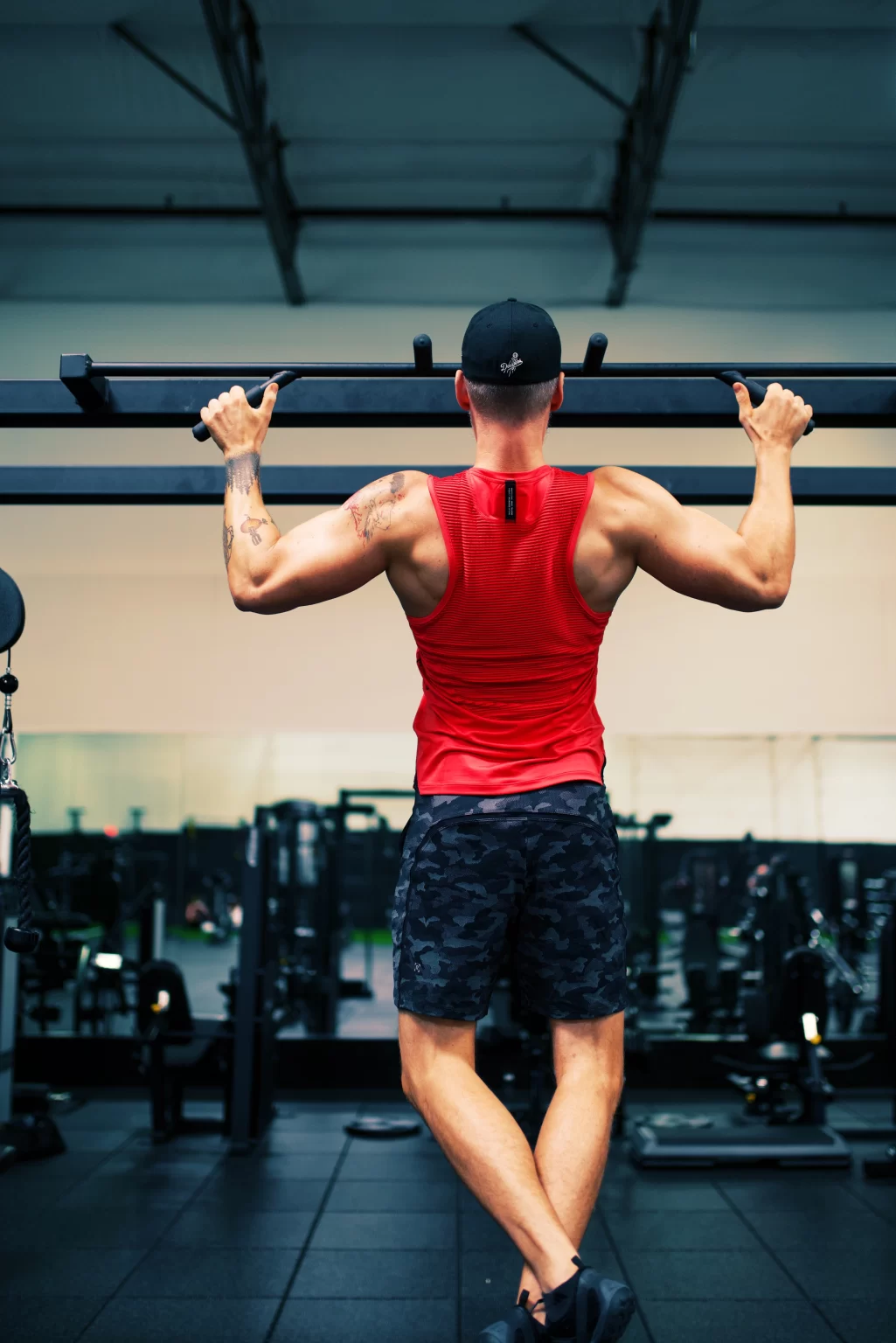
- Pull-up bar: A pull-up bar is a versatile piece of equipment that can be used for exercises such as pull-ups, chin-ups, and hanging leg raises. It can be installed in a doorway or purchased as a standalone unit.
- Resistance bands: Resistance bands are a great way to add resistance to bodyweight exercises. They come in different levels of resistance and can be used for exercises such as assisted pull-ups, chest press, and squats.
- Push-up handles: Push-up handles can be used to reduce stress on the wrists and provide a more comfortable grip during push-ups.
- Gymnastics rings: Gymnastics rings are a versatile piece of equipment that can be used for exercises such as dips, push-ups, and rows. They can be hung from a pull-up bar or tree branches.
- Parallettes: Parallettes are portable and lightweight pieces of equipment that can be used for exercises such as push-ups, dips, and L-sits.
- Ab wheel: An ab wheel is a small piece of equipment that can be used to work the core muscles through exercises such as rollouts.
- Jump rope: Jump rope can be used as a cardio workout and can also help in developing coordination and footwork.
MAIN MUSCLES
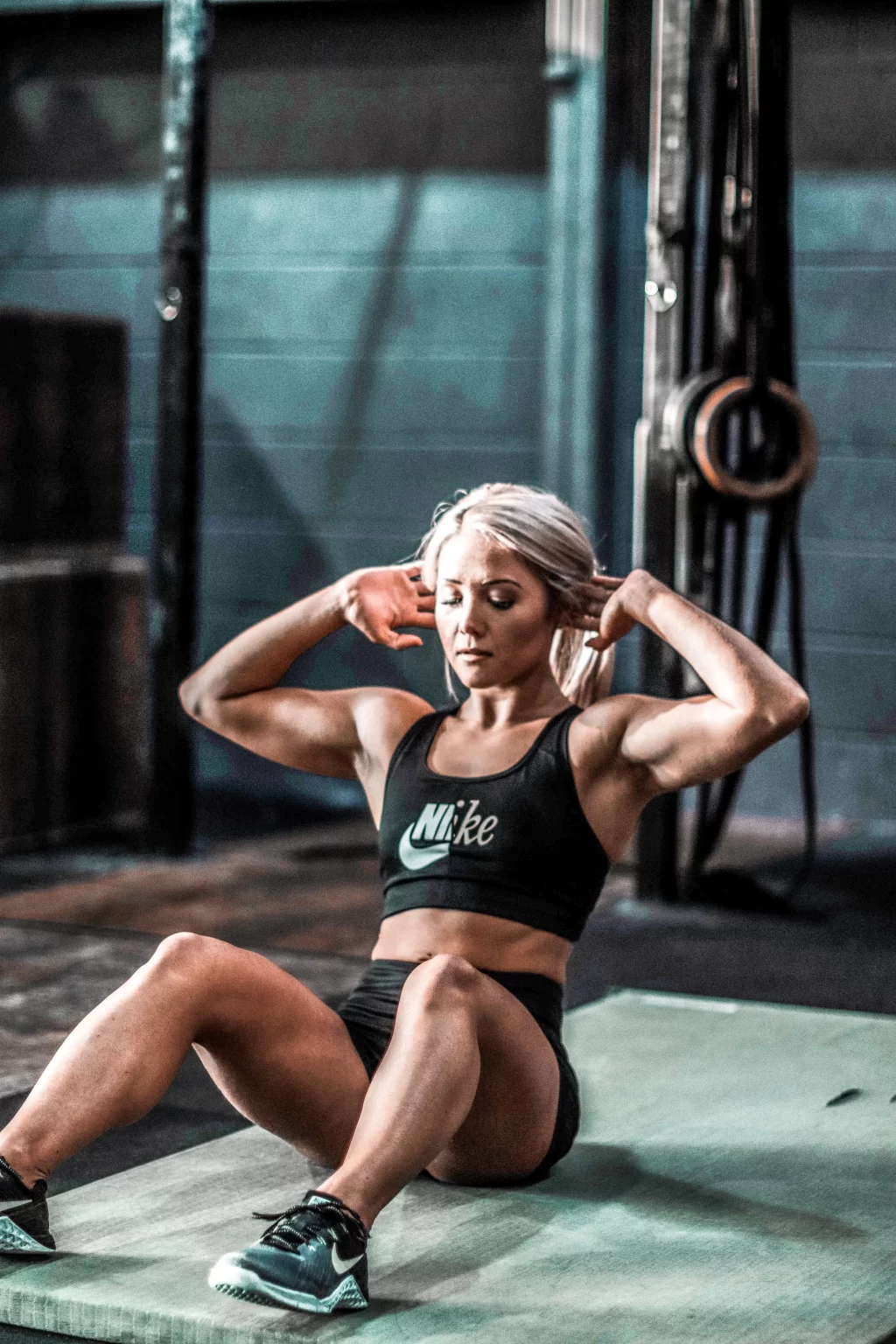
- Core: The core muscles, which include the abs and lower back, are heavily engaged during exercises such as planks, sit-ups, and leg raises.
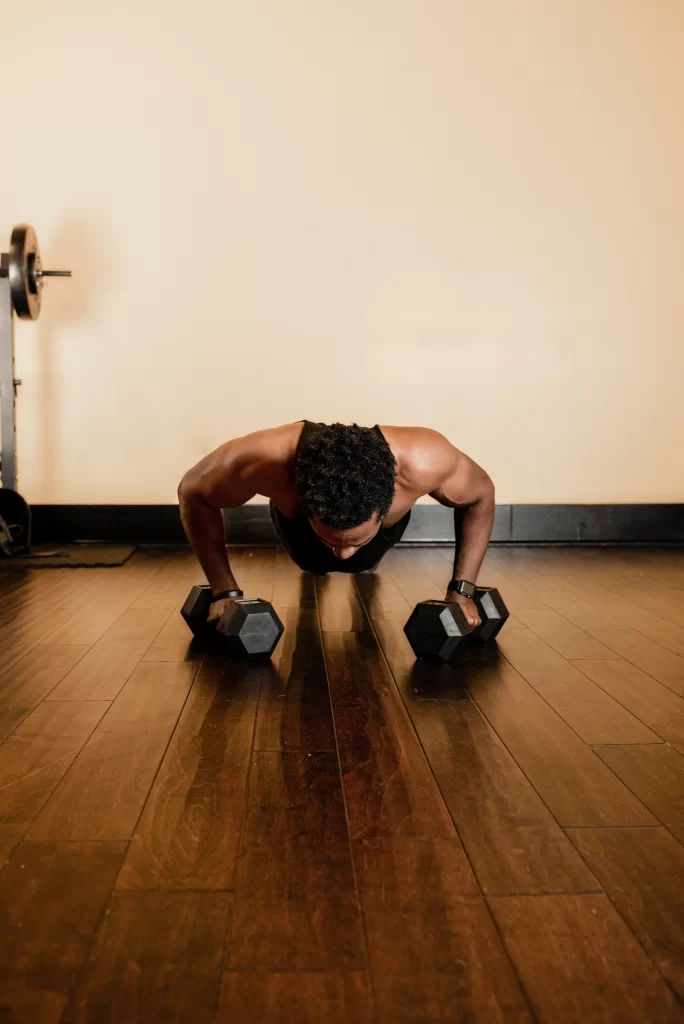
- Chest: Exercises such as push-ups and dips work the chest muscles, also known as the pectoral muscles.
- Arms: Exercises such as pull-ups, push-ups, and dips work the biceps, triceps, and forearms.
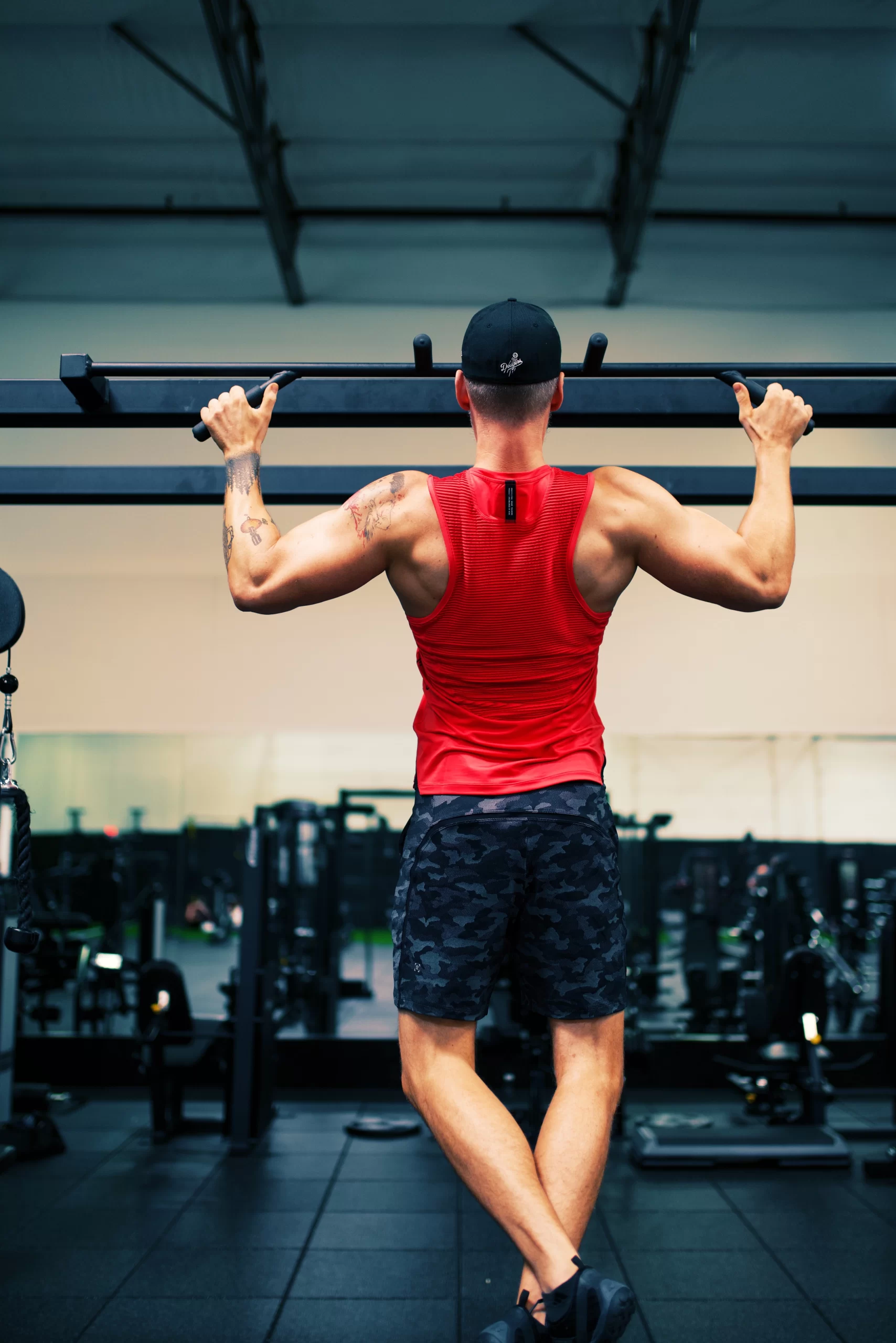
- Back: Exercises such as pull-ups and rows work the muscles of the upper and middle back, also known as the latissimus dorsi and trapezius muscles.
- Shoulders: Exercises such as handstand push-ups, push-ups, and dips work the shoulders, also known as the deltoid muscles.
- Legs: Exercises such as squats, lunges, and calf raises work the muscles of the legs, including the quadriceps, hamstrings, and calves.
- Glutes: Exercises such as squats, lunges, and bridges work the glutes, also known as the muscles of the buttocks.
COMMON INJURIES
- Sprains and strains: These types of injuries occur when a muscle or ligament is stretched or torn. They can occur during exercises that involve sudden movements or excessive force, such as a misstep during a jump or a poorly executed pull-up.
- Tendinitis: This type of injury occurs when a tendon, the tissue that connects muscle to bone, becomes inflamed. Tendinitis can be caused by repetitive movements, such as those that are involved in exercises like push-ups, pull-ups, and dips.
- Overuse injuries: Overuse injuries, such as stress fractures and bursitis, occur as a result of repetitive motions that put stress on the body. These types of injuries can occur in callisthenics exercises that involve a lot of jumping or landing, such as plyometrics.
- Lower back pain: Lower back pain is a common issue with callisthenics, especially when exercises are not performed with proper form. Exercises that involve bending and twisting, such as sit-ups and leg raises, can put stress on the lower back if not executed correctly.
- Wrist pain: Wrist pain is a common injury for people who perform exercises that put pressure on the hands and wrists, such as push-ups and dips.
These injuries can be prevented by warming up properly, practicing good form, listening to your body and avoiding overtraining, and avoiding exercises that cause pain. If you have any pain or discomfort, it’s important to take a break and seek advice from a doctor or physical therapist.
Why You Should Start With Bodyweight Exercises for General Fitness

The Secret to Balance: Look at the Horizon, Not Your Feet
The Efficient Minimalist’s Workout Routine: 4 Moves to Rule Them All

Mastering the Tennis Stance: A Comprehensive Guide for Beginners
Why You Should Start With Bodyweight Exercises for General Fitness
How to Breathe Properly in Yoga as a Complete Beginner

Why Cyclists Should Wear Helmets
Learning Scuba Diving Basics Starts with Safety Training