

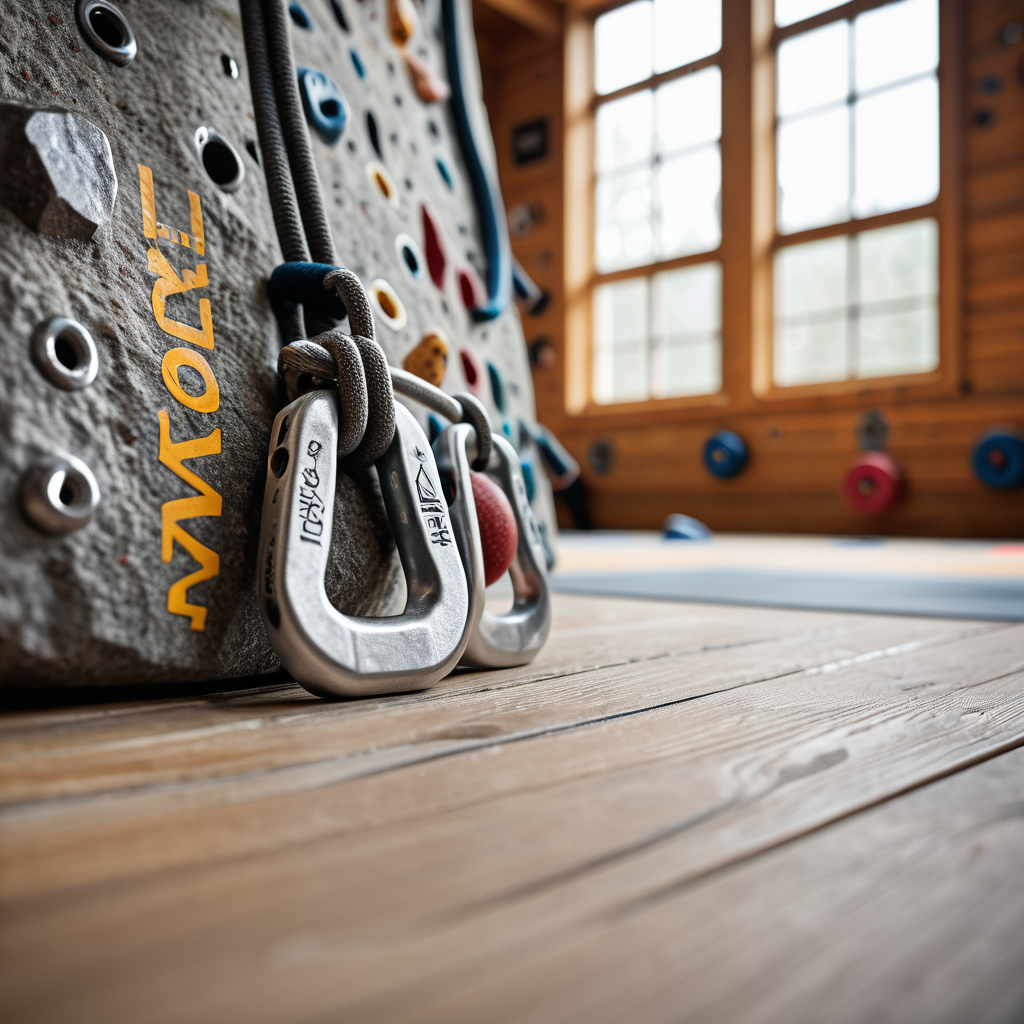
Indoor rock climbing has become increasingly popular in recent years, with a growing number of gyms and facilities catering to climbers of all levels. However, for those new to the sport, it can be intimidating to know where to start. This comprehensive guide aims to demystify indoor rock climbing and provide practical advice on how to get started.
What Is Indoor Rock Climbing?
Indoor rock climbing is a form of rock climbing that takes place in an artificial or man-made environment, typically inside a dedicated gym or facility. Unlike outdoor rock climbing, which requires specific weather conditions and terrain, indoor climbing provides a consistent and controlled environment for climbers to practice and improve their skills.
Equipment and Facilities
Before getting started with indoor rock climbing, it’s essential to understand the basic equipment and facilities involved. Most indoor climbing gyms provide the necessary equipment, including:
- Climbing holds: These are the grips on the wall that climbers use to ascend.
- Belay systems: This is the equipment used by a partner or instructor to control the rope and ensure the climber’s safety.
- Harnesses: A device worn around the waist to attach the rope and prevent falls.
- Shoes: Specialized climbing shoes with sticky rubber soles for better grip on the holds.
In addition, indoor climbing gyms often feature various types of walls, including:
- Top-rope: Climbers ascend a pre-set route, attached to the rope via a harness.
- Lead-climbing: Climbers clip their harness to the wall as they ascend, with no pre-set route.
- Bouldering: Short, low-level climbs without ropes or harnesses.
Getting Started
Getting started with indoor rock climbing is relatively straightforward. Here’s a step-by-step guide:
- Find a local climbing gym: Research nearby gyms and facilities that offer indoor rock climbing services. Many cities have dedicated climbing centers, while others may have smaller, more casual setups.
- Check the introductory packages: Most gyms offer introductory packages or day passes for newcomers. These usually include equipment rental, instruction, and access to basic training areas.
- Attend an orientation session: Many gyms require new climbers to attend an orientation session before using the facilities independently. This is a great opportunity to learn about safety protocols, equipment usage, and climbing techniques.
- Start with basics: Begin by familiarizing yourself with the basic movements, such as gripping, footwork, and body positioning. Practice on lower-level walls or training areas to build confidence.
- Get comfortable with the equipment: Understand how to properly wear a harness, attach and detach from ropes, and use climbing shoes.
Overcoming Fears and Intimidations
Like any new activity, indoor rock climbing can seem daunting at first. It’s normal to feel apprehensive about falling or not being good enough. However, most gyms have experienced instructors and staff who will guide you through the process and provide support.
To overcome fears and intimidations:
- Start slow: Begin with short climbs, easy routes, and low-level walls.
- Focus on technique: Pay attention to proper footwork, hand placement, and body positioning.
- Practice regularly: The more you climb, the more comfortable you’ll become with the equipment and techniques.
- Join a climbing community: Connect with other climbers online or in-person to share experiences, advice, and motivation.
Physical Conditioning
Indoor rock climbing requires a moderate level of physical fitness, including strength, endurance, and flexibility. To prepare for indoor climbing:
- Develop upper-body strength: Engage in exercises that target the arms, shoulders, and back.
- Improve cardiovascular endurance: Regular aerobic exercise will help you recover from climbs and maintain a steady pace.
- Enhance flexibility: Incorporate stretching routines to improve mobility and prevent injuries.
Safety Protocols
Safety is paramount in indoor rock climbing. Familiarize yourself with basic safety protocols:
- Inspect equipment regularly: Check ropes, harnesses, and other gear for signs of wear or damage.
- Follow proper belaying techniques: Understand how to control the rope and catch falls safely.
- Be aware of your surroundings: Pay attention to other climbers, instructors, and staff.
Indoor rock climbing offers an exciting and accessible way to enjoy the thrill of climbing while minimizing risks associated with outdoor activities. By understanding the basics, overcoming initial fears and intimidations, and following safety protocols, anyone can get started with indoor rock climbing. Whether you’re looking for a new challenge or a fun hobby, indoor climbing provides a welcoming environment for climbers of all levels.