
START
BOXING
Welcome to the world of boxing, a physically demanding and mentally tough sport that requires discipline, hard work, and a willingness to push yourself to new heights. With its rich history and exciting matches, boxing is a thrilling activity that can be enjoyed as a spectator or a participant. In this beginner’s guide, we’ll cover the basics of boxing, from the fundamental techniques to the safety precautions and training methods.


TIPS TO START
- Choose the Right Gym: Research local boxing gyms and choose one that has experienced trainers and a supportive environment. Ensure the gym has a good safety record and is equipped with necessary equipment.
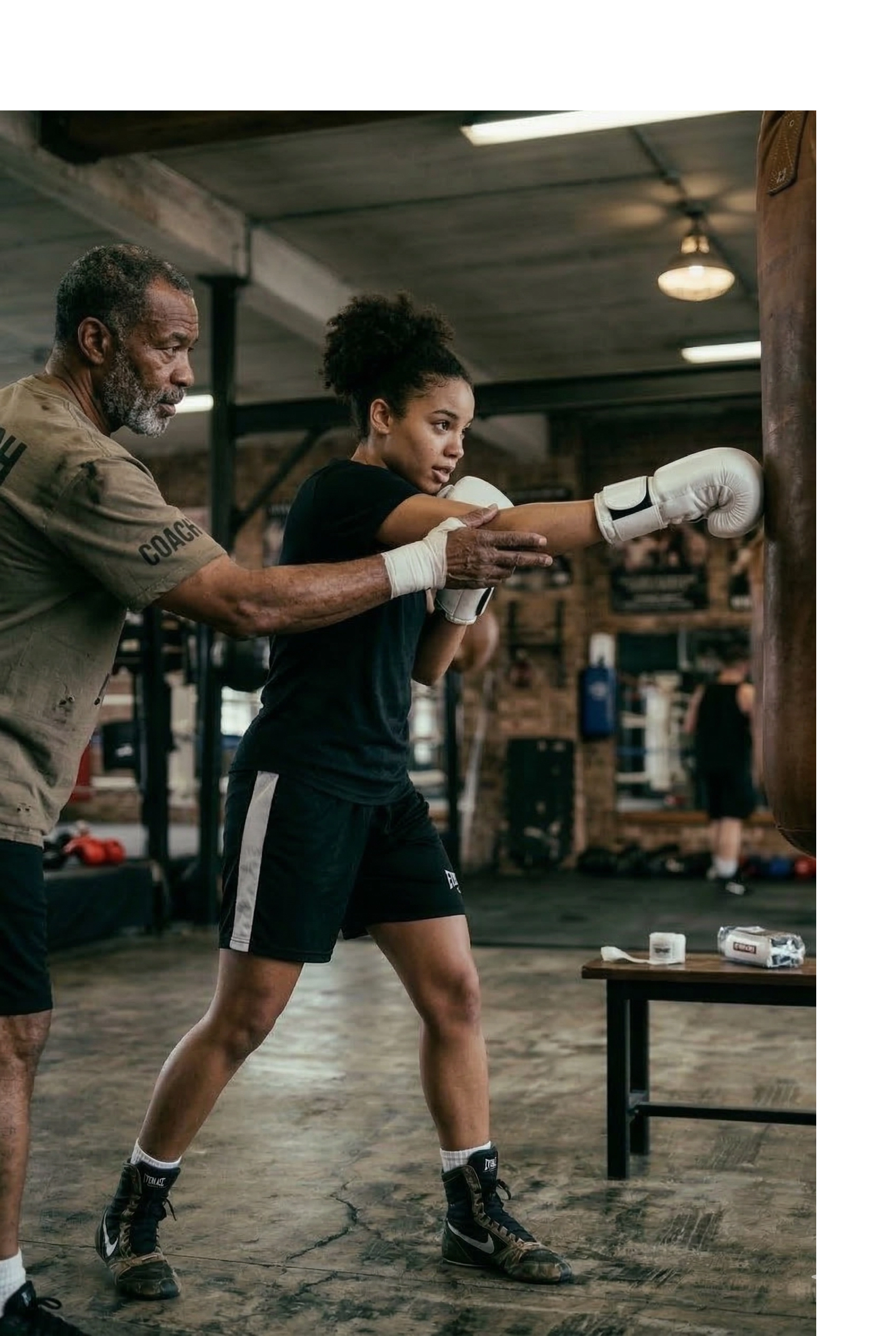
- Start with the Fundamentals: Focus on learning proper punching technique, including stance, guard, and footwork. Mastering the basics will help prevent injuries and ensure you’re using your energy efficiently.
- Invest in Proper Gear: Purchase a good pair of boxing gloves, hand wraps, and a mouthguard to ensure your safety and comfort. Don’t skimp on gear, as it can make a big difference in your training experience.
- Start with Bag Work: Focus on shadowboxing and heavy bag work to build your technique and endurance. This will also help you develop your hand-eye coordination and punching power.
- Train with a Partner: Find a workout buddy or training partner to keep you motivated and accountable. Training with a partner will also allow you to practice live sparring and improve your reaction time.
- Listen to Your Body: Pay attention to your body and take rest days as needed. Boxing can be physically demanding, so it’s essential to allow your muscles time to recover and rebuild.
- Set Realistic Goals: Set achievable goals for yourself, whether it’s to complete a certain number of rounds or to improve your technique. Having goals will help you stay motivated and track your progress.
BASIC EQUIPMENT
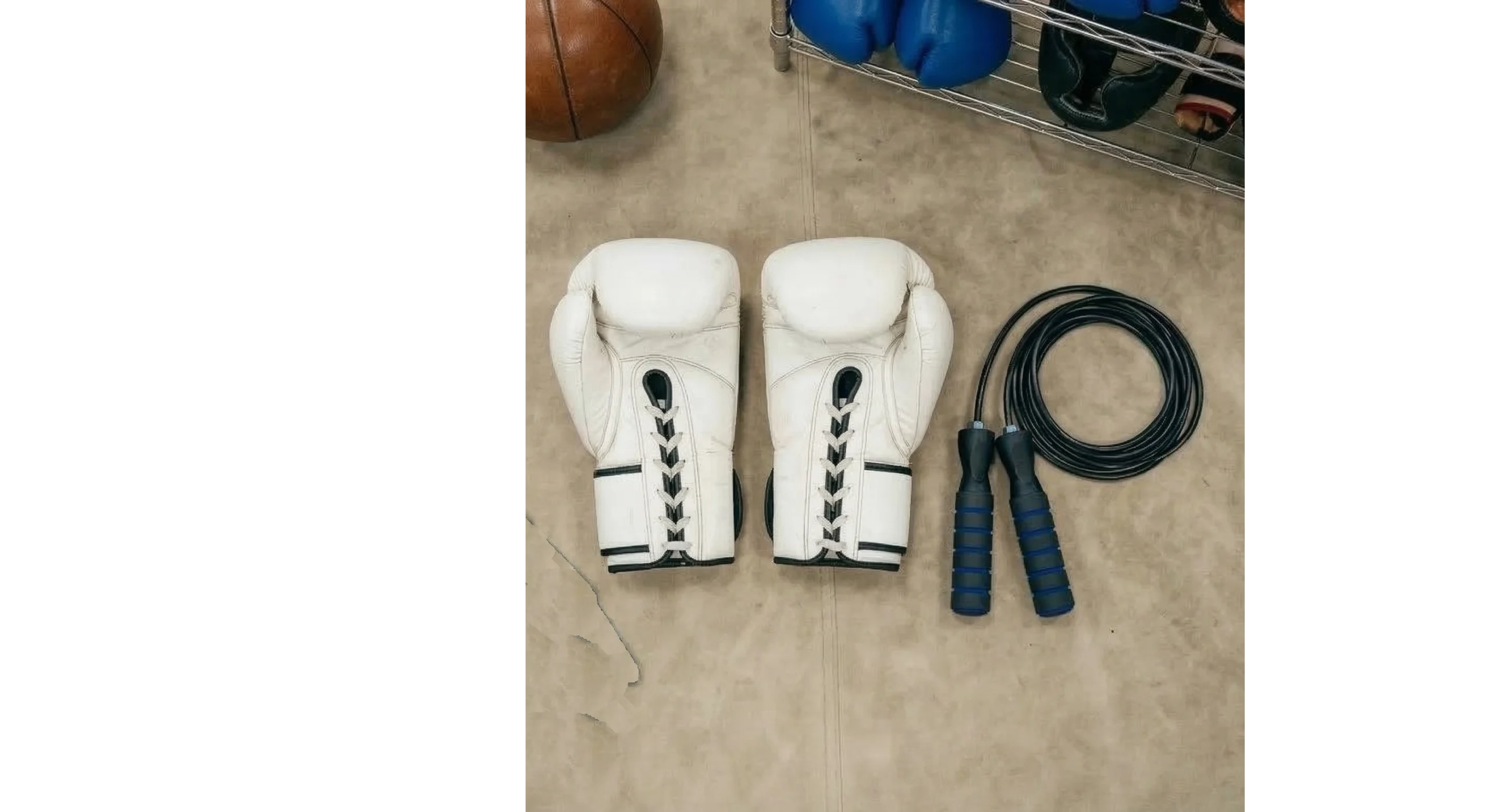
- Boxing Gloves: Provide hand protection and help improve punching technique.
- Hand Wraps: Prevent injury to the hands and wrists from impact and improve glove fit.
- Mouthguard: Protect teeth and mouth from injury during sparring and competition.
- Boxing Shorts: Allow for a full range of motion and provide support during training.
- Jump Rope: Improve footwork, agility, and endurance.
- Speed Bag: Develop hand-eye coordination and improve hand speed.
- Heavy Bag: Increase punching power and endurance by allowing for high-intensity workouts.
- Boxing Headgear: Protect the face and head from injury during sparring and competition.

MAIN MUSCLES
- Cardiovascular System: Engaged in providing the energy and endurance needed for the high-intensity bursts of activity in boxing.
- Core Muscles: Used to generate rotational force, stability, and power for punches and movements.
- Glutes: Activated for explosive movements, such as bobbing and weaving, and for generating power in punches.
- Hamstrings: Worked for explosive movements, such as jumping and quick changes of direction.
- Latissimus Dorsi: Engaged for rotational movements and for generating power in punches.
- Lower Back: Used for stability and generating power in punches and movements.
- Quadriceps: Activated for explosive movements, such as jumping and quick changes of direction.
- Rhomboids: Engaged for rotational movements and for generating power in punches.
- Shoulder Rotators: Used for generating power and rotation in punches.
- Trapezius: Activated for stability and generating power in punches and movements.
COMMON INJURIES
- Knockout Punch to the Head: A common injury in boxing is a knockout punch to the head, which can cause a concussion, cuts, or even a broken nose. Prevention tip: Wear a mouthguard and ensure proper technique when throwing punches to avoid hitting the opponent’s head directly.
- Boxer’s Cut: A boxer’s cut is a laceration on the eyelid or face, often caused by a punch or a collision with the opponent. Prevention tip: Use a good pair of boxing gloves, keep the hands up to protect the face, and avoid taking unnecessary risks in the ring.
- Broken Nose: A broken nose is a common injury in boxing, often caused by a punch or a collision with the opponent. Prevention tip: Wear a good pair of boxing gloves, keep the hands up to protect the face, and avoid taking unnecessary risks in the ring.
- Hand and Finger Injuries: Hand and finger injuries, such as finger jamming, sprains, or fractures, can be caused by improper technique or equipment. Prevention tip: Use good quality boxing gloves, keep the hands up to protect the face, and focus on proper punching technique.
- Concussion: A concussion is a serious injury caused by a blow to the head, which can lead to headaches, dizziness, and even long-term brain damage. Prevention tip: Wear a mouthguard, ensure proper technique when throwing punches, and have a coach or trainer monitor the beginner’s progress.
- Knee and Ankle Injuries: Knee and ankle injuries, such as sprains or strains, can be caused by improper technique or overtraining. Prevention tip: Wear proper footwear and warm up before training, and focus on building up endurance and strength gradually.

HEALTH BENEFITS
- Cardiovascular Endurance: Boxing improves cardiovascular health by increasing heart rate and blood flow, reducing the risk of heart disease, and enhancing endurance. Regular boxing practice can also improve overall stamina and energy levels.
- Weight Management: Boxing is an effective way to burn calories and lose weight, as it requires a high level of physical exertion and can be tailored to suit individual fitness goals. Boxing also helps build muscle mass, which further boosts metabolism.
- Improved Coordination and Agility: Boxing involves a range of physical movements, including punching, footwork, and hand-eye coordination, which can improve overall dexterity and agility. Regular practice can also enhance reaction time and speed.
- Reduced Stress and Anxiety: Boxing can be a therapeutic outlet for stress and anxiety, as the physical activity and mental focus required can help calm the mind and reduce tension. Boxing also releases endorphins, which can improve mood and reduce symptoms of depression.
- Increased Self-Confidence and Discipline: Boxing requires a high level of self-discipline and focus, which can translate to other areas of life and improve overall self-confidence. Regular practice can also promote a sense of accomplishment and pride in one’s abilities.
- Improved Focus and Concentration: Boxing requires intense focus and concentration, which can improve mental clarity and reduce mind-wandering. Regular practice can also enhance cognitive function and improve overall mental performance.