
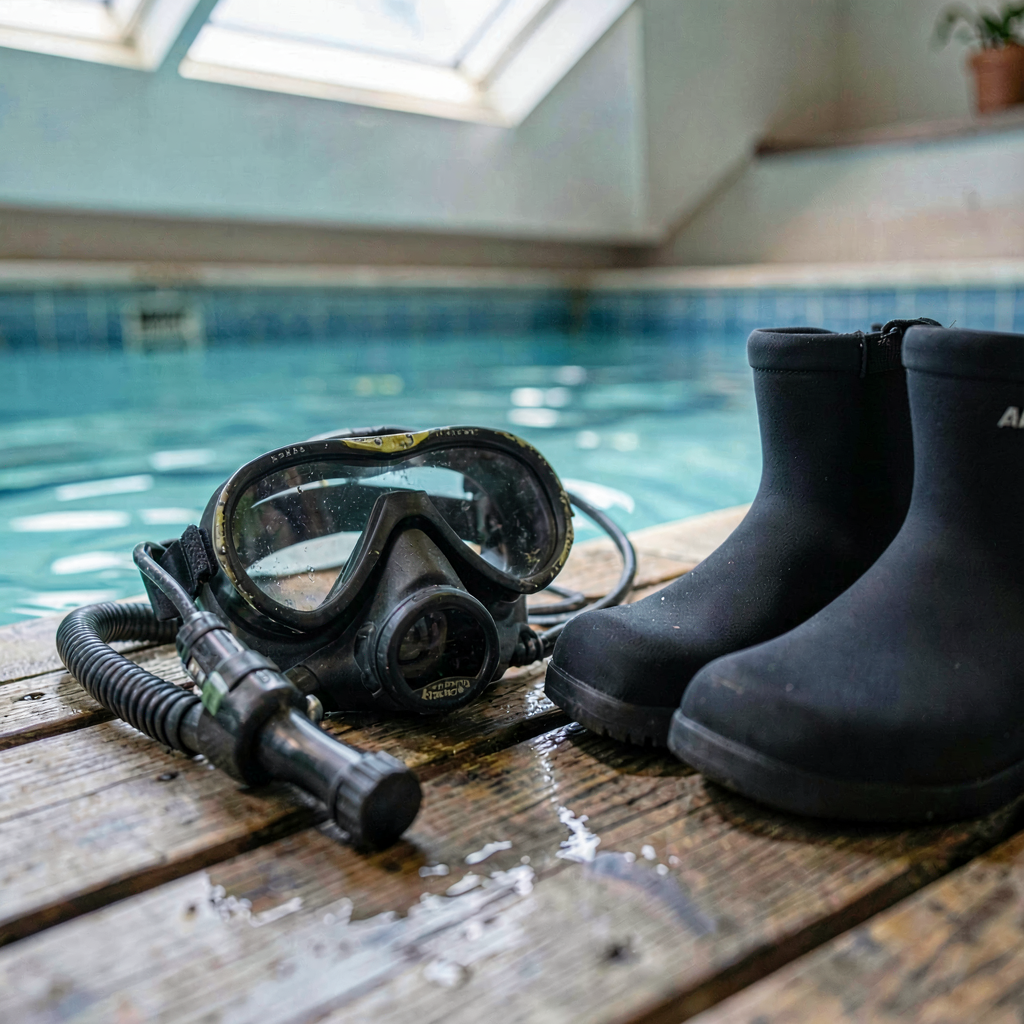
Scuba diving, like any other adventure sport, requires a tremendous amount of respect for the underwater environment and its inhabitants. Before taking the plunge and exploring the ocean’s depths, it’s essential to understand the basics of scuba diving safety training.
The Importance of Scuba Diving Safety
When considering learning how to scuba dive, many people focus on the excitement and thrill of discovering new marine life or exploring shipwrecks. However, safety should always be the top priority. A single misstep can have devastating consequences for both the diver and their fellow divers.
Scuba diving involves working with compressed air at high pressures, operating complex equipment, and navigating unfamiliar underwater environments. These factors contribute to a range of hazards that divers may face, including air supply emergencies, entrapment, and drowning.
Safety Training: The Foundation of Scuba Diving
Safety training is not just a prerequisite for scuba diving; it’s an ongoing process that ensures you’re prepared for the demands of underwater exploration. When choosing a scuba diving course or instructor, consider the following:
- Reputation: Look for instructors with extensive experience and excellent reputation in the industry.
- Certification: Ensure your instructor is certified by a reputable organization such as PADI (Professional Association of Diving Instructors) or SSI (Scuba Schools International).
- Course Curriculum: Review the course syllabus to ensure it covers essential safety topics, including emergency procedures and equipment usage.
Key Safety Training Components
While scuba diving courses may vary depending on your location and instructor, most comprehensive programs will cover the following critical components:
1. Equipment Familiarization
Before you even get into the water, you’ll learn about the various pieces of equipment used in scuba diving, including tanks, regulators, and BCDs (Buoyancy Control Devices). Your instructor will demonstrate how to properly assemble, use, and maintain these devices.
2. Underwater Skills
Practice breathing underwater, navigating through confined spaces, and managing your buoyancy with precision. These skills are essential for maintaining a safe and enjoyable diving experience.
3. Emergency Procedures
Your instructor will teach you how to respond in case of an emergency, including air supply emergencies, entrapment, and equipment failure. You’ll learn about the proper procedures for rescuing yourself or others, as well as communicating with your dive team.
4. Buddy System
Scuba diving is inherently social, and a buddy system is essential for ensuring everyone’s safety. You’ll learn how to communicate with your partner, monitor each other’s air supply, and respond in case of an emergency.
Putting Safety Training into Practice
After completing the initial course and gaining some experience, you may find yourself wanting to explore more challenging dive sites or try advanced techniques. However, before taking on these new challenges:
- Review the safety procedures you’ve learned and apply them to each dive.
- Continuously update your skills with ongoing training and practice.
Scuba diving is an incredible adventure that requires respect for the underwater environment, a commitment to safety training, and a willingness to continuously learn and improve. By prioritizing safety training, you’ll not only protect yourself but also ensure a more enjoyable and rewarding experience for your fellow divers.
To summarize:
- Choose reputable instructors with excellent certification.
- Focus on comprehensive courses that cover essential safety topics.
- Practice continuous learning and improvement throughout your scuba diving journey.
By following these guidelines, you’ll be well-prepared to navigate the underwater world while minimizing risks and ensuring a safe, enjoyable experience for everyone involved.