
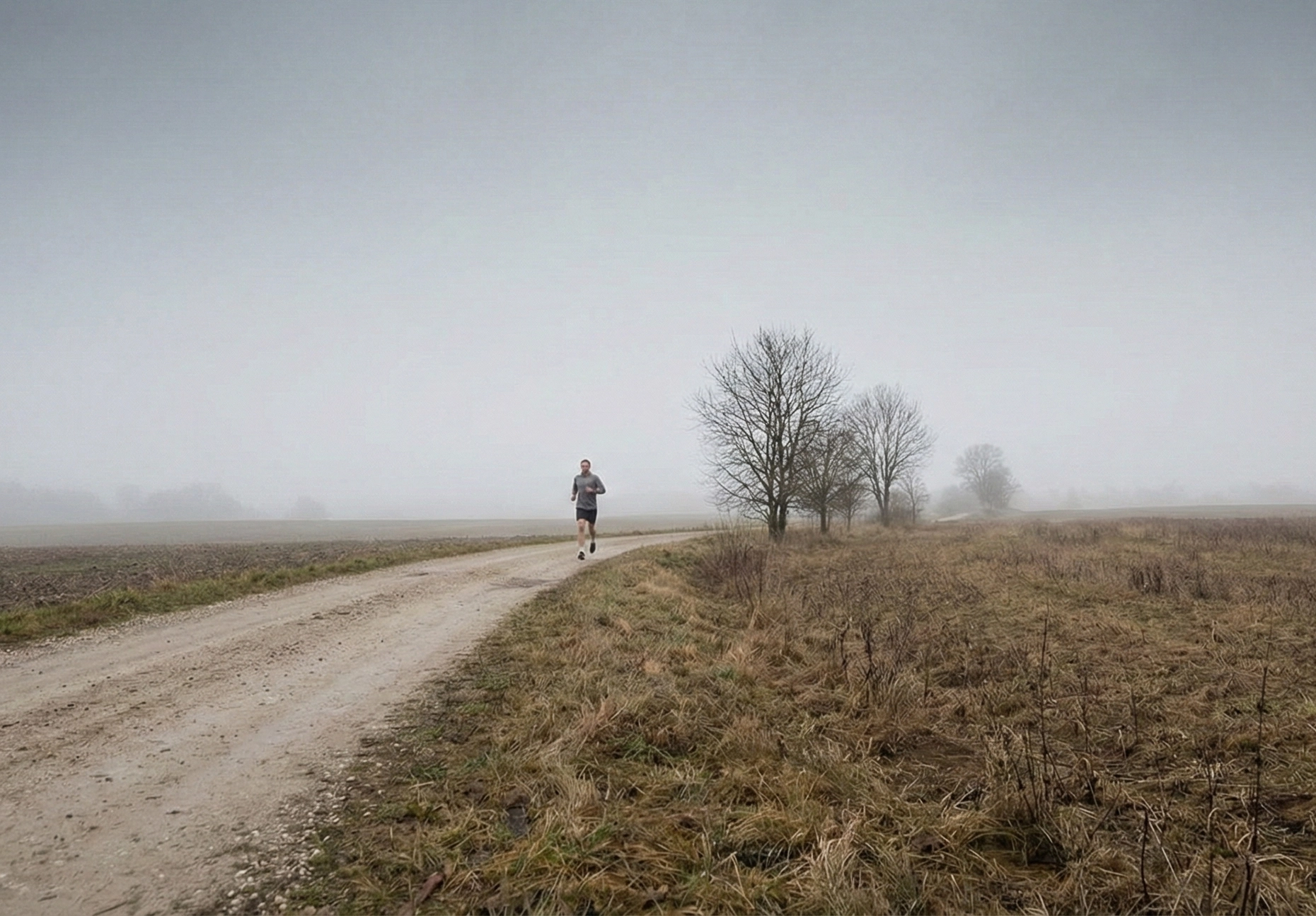
For the longest time, I saw people running and saying how much they loved it, and I didn’t believe them. I was convinced that the “Runner’s High” was a myth that only high-performance athletes could achieve.
I remember the first time I entered a stadium when I was ten i think. I started running like someone was chasing me. It did not last long. I didn’t even complete a full lap before I had to stop, gasping for air.
I have to admit, it took me an embarrassingly long time to realize that I wasn’t bad at running. I was just doing it with too much ego and zero strategy.
Here is how I went from dreading to go for a run to actually looking forward to lacing up.
Phase 1: The “Sprinting and Quitting” Years
Every attempt to start used to look the same. I would get a burst of motivation, dig out my old sneakers, and sprint out the door. And every single time, I would make it about 2 or 3 laps around the stadium before my lungs and heart screamed at me to stop. I believed that running meant running fast. That is what I saw on TV from professional athletes—nobody goes slow. After one or two attempts, I would end up with injured feet and zero motivation to try again.
Phase 2: The “Old Man Shuffle”
The turning point wasn’t a fancy pair of shoes. It was a single piece of advice I read on a forum: If you can’t talk while you’re running, you’re going too fast. It sounded counterintuitive. If I’m not suffering, is it even exercise? But I tried it. I slowed down. Way down. I was barely moving faster than a brisk walk. I felt a little ridiculous bobbing up and down that slowly while people passed me. But a weird thing happened. I hit the 1km mark… and I was fine. I hit 2km… and I could still breathe. For the first time, I finished a loop without feeling destroyed. I remember my first 5K took 47 minutes. And I was proud of it.
Phase 3: Dropping the Ego
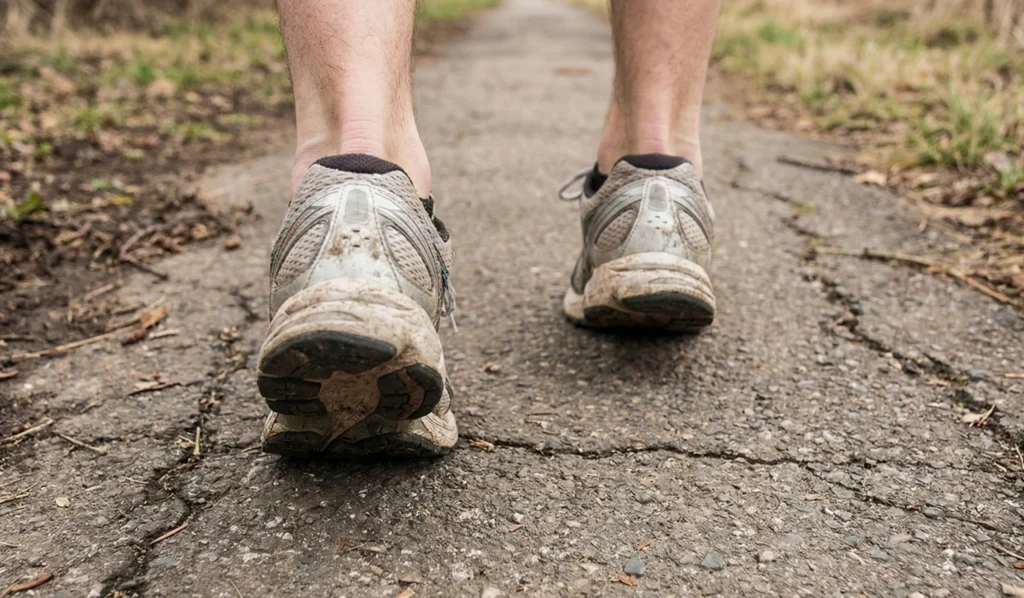
Once I fixed the speed, I had to fix the mindset. I stopped looking at my watch. I stopped caring about “continuous” running. I started using the run/walk method—running for three minutes, walking for one. I realized that my flat sneakers were the reason my shins felt like they were splintering, so I finally went to a store and bought a boring, supportive pair of running shoes. I stopped trying to impress imaginary spectators. I focused on showing up, and accepted that showing up was enough.
Phase 4: Today
I haven’t become a “super runner.” I am still quite slow, but I have significantly increased my weekly mileage. It has become a habit I do not want to lose. Sometimes I still sprint because it’s good exercise, and it reminds me of the mistake I made in the beginning: thinking that speed was the only way to run. Running has become a quiet, steady thing in my routine. Sometimes it’s thirty minutes, sometimes it’s two hours. It gives me peace, and I know now that nobody is chasing me. I am chasing the feeling that today I am strong, and I can do it.